
 voiceofthevalley.com ```html
 Introduction: The DIY Sawmill Storage Shed A Guide to Secure and Organized Sawmilling Are you tired of leaving your precious sawmill exposed to the elements? A DIY storage shed is the perfect solution! This post will guide you through the process of building a simple yet effective shed to protect your sawmill and keep your workspace organized.
Planning and Preparation Before you grab your tools, careful planning is essential. Here's what you need to consider:
- Determine the Size: Measure your sawmill's dimensions (length, width, height) and add extra space for maneuvering and storing accessories.
- Choose a Location: Select a level area near your milling operations, considering drainage and accessibility.
- Design Your Shed: Decide on the style (simple lean-to, gable roof, etc.) and create a basic sketch with dimensions. This helps visualize the final product.
- Gather Materials: Create a list of materials based on your design. This includes lumber (for framing, sheathing, and roofing), fasteners (nails, screws), roofing material, and optionally, a door and windows. Consider treated lumber for ground contact.
- Tools Needed: Saw (circular saw, miter saw), drill/driver, level, measuring tape, hammer, safety glasses, gloves.
Step 1: Building the Foundation/Base The foundation provides a stable and level base for your shed. There are a few options:
- Gravel Pad (Simple): Clear the chosen area, level it, and create a gravel pad. This is a cost-effective option for smaller sheds.
- Concrete Blocks: Set concrete blocks on the leveled ground and build a wooden frame on top. Ensure the frame is square and level.
- Concrete Slab (Permanent): Pour a concrete slab for a more permanent and durable foundation. This requires more effort and expense.
Step 2: Framing the Walls Building the wall frames is crucial for structural integrity.
- Cut the Studs: Determine the wall height and cut studs to that length. Remember to deduct the thickness of the top and bottom plates.
- Assemble the Frames: Lay out the top and bottom plates on a flat surface. Space the studs 16 inches on center (OC) and nail or screw them securely to the plates.
- Frame Openings: Include framing for the door and any windows you plan to include. Add headers above the openings for support.
- Raise and Secure the Walls: Carefully raise each wall frame and secure it to the base frame. Use a level to ensure the walls are plumb. Use temporary braces to hold them in place.
Step 3: Building the Roof The roof protects your sawmill from the elements. A simple lean-to roof is a good option for beginners.
- Determine the Slope: Decide on the desired roof slope. A steeper slope allows for better water runoff.
- Build the Rafters: Cut rafters to the appropriate length, considering the roof slope and overhang.
- Install the Rafters: Attach the rafters to the top plates of the walls. Space them evenly, typically 24 inches OC.
- Sheath the Roof: Cover the rafters with plywood or OSB sheathing. Nail or screw the sheathing securely to the rafters.
Step 4: Roofing Applying roofing material protects the sheathing from water damage.
- Underlayment (Optional): Install roofing underlayment (felt paper) over the sheathing for added protection.
- Choose Roofing Material: Select a roofing material that suits your budget and aesthetic preferences (asphalt shingles, metal roofing, etc.).
- Install Roofing Material: Follow the manufacturer's instructions for installing your chosen roofing material. Overlap the courses properly to ensure a watertight seal.
Step 5: Adding the Door (Optional) A door provides secure access to your sawmill.
- Build a Door Frame: Build a wooden frame that fits snugly into the door opening.
- Build or Purchase a Door: You can build a simple wooden door or purchase a pre-made door.
- Install the Door: Hinge the door to the door frame and install a latch or lock for security.
Step 6: Sheathing the Walls (Optional) Sheathing the walls adds extra protection and structural integrity.
- Cut Sheathing Material: Cut plywood or OSB sheathing to fit the wall frames.
- Attach Sheathing: Nail or screw the sheathing to the wall frames, ensuring it is flush with the studs.
Step 7: Finishing Touches These final steps add functionality and aesthetics to your shed.
- Add Trim: Install trim around the door, windows, and corners to cover exposed edges and improve the appearance.
- Paint or Stain: Paint or stain the shed to protect the wood and give it a finished look.
- Organize Your Sawmill: Place your sawmill inside the shed and organize your accessories and tools.
Conclusion: A Secure and Organized Milling Space Congratulations! You've successfully built a DIY sawmill storage shed. This shed will protect your valuable equipment from the elements, keep your workspace organized, and prolong the life of your sawmill. With proper planning and careful execution, you can enjoy a secure and efficient milling experience for years to come.
``` Big Ol Machine Photograph By Jill Rhynard
 fineartamerica.com
 Lake Washington Coal Cars
 dcsfilms.com
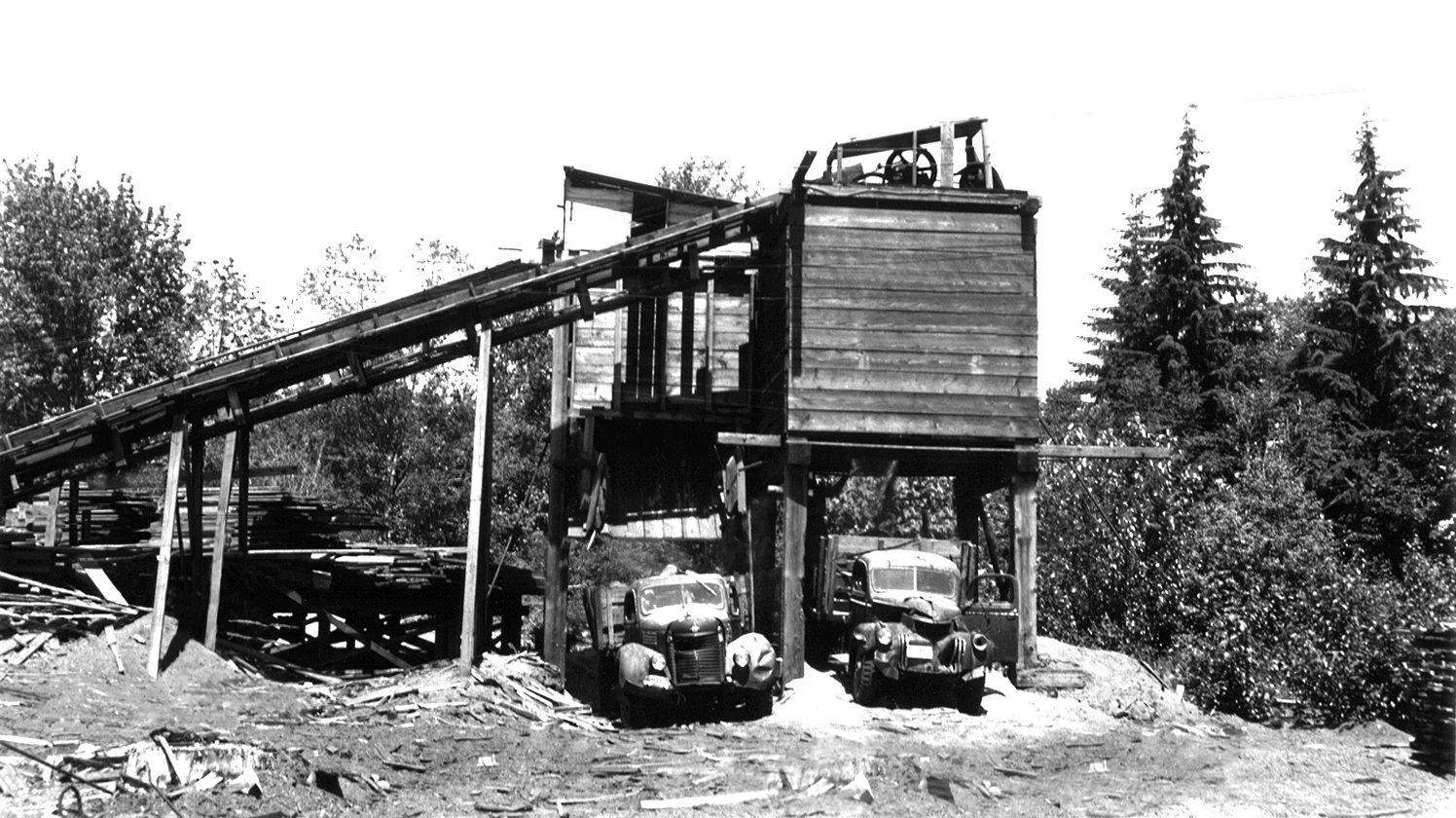
 When Coal Was King: Sawmill Owned By Pacific Coast Coal Company
voiceofthevalley.com

0 komentar:
Posting Komentar